
Understand the business.
Map objectives, processes, users, constraints, risks and opportunities before technology decisions are made.
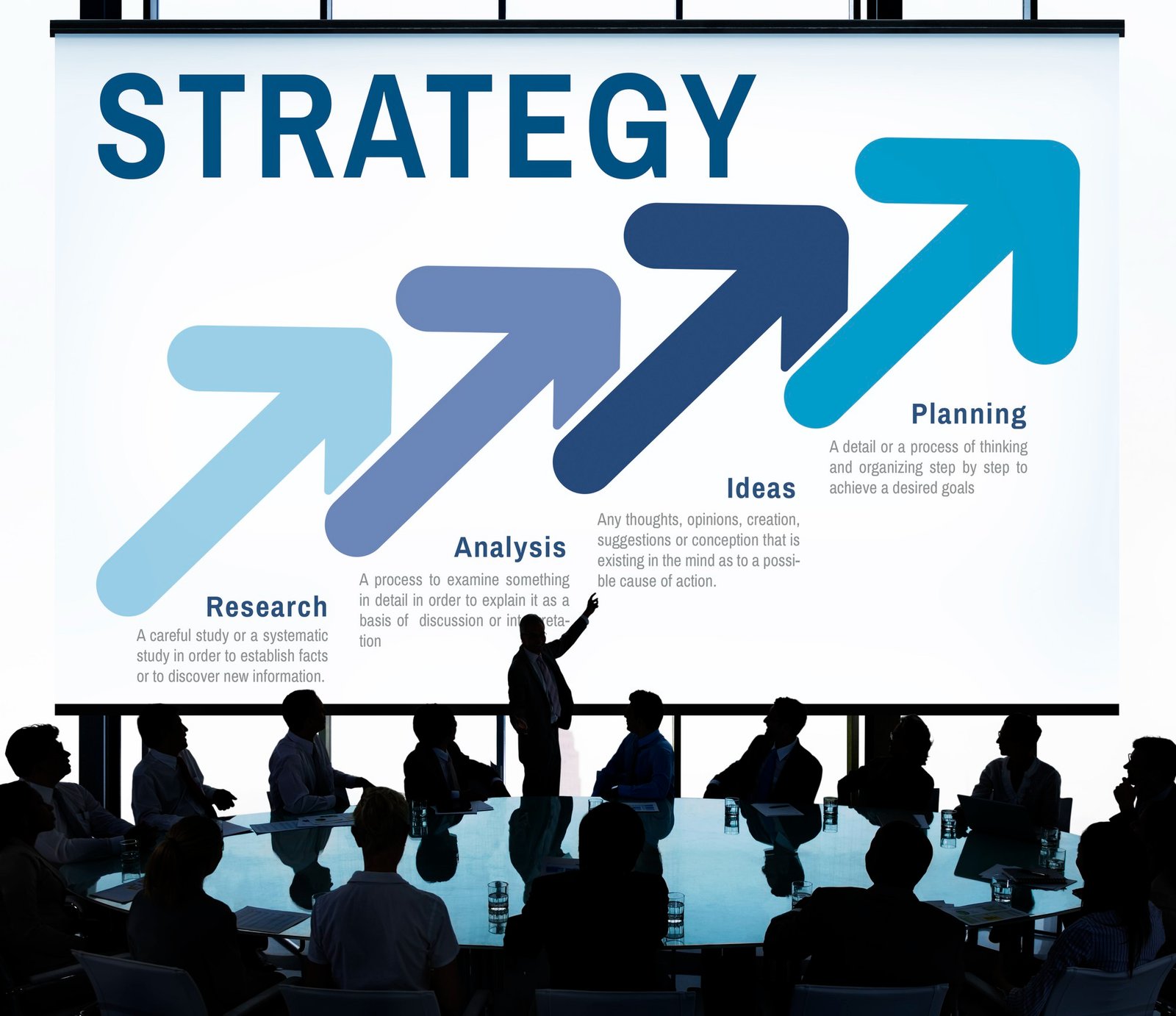
We combine business understanding, technology strategy and disciplined engineering to build systems that are useful today, resilient tomorrow and ready for what comes next.
A faster workflow, a more intelligent decision, a stronger customer experience, a lower operational cost or a platform capable of supporting the next stage of growth — these are the outcomes that matter.
Our approach therefore begins before code. We understand the business context, identify the constraints, define the desired outcomes and determine the technology foundation needed to achieve them.
From there, we move deliberately from strategy to architecture, architecture to engineering and engineering to measurable business impact.
Every technology decision affects another layer of the organization. We look across the complete system — people, processes, applications, data, infrastructure and security — before deciding what to build.
Map objectives, processes, users, constraints, risks and opportunities before technology decisions are made.
Translate business priorities into clear capabilities, measurable outcomes and engineering priorities.
Design the systems, data models, integrations, infrastructure and security boundaries that support the future state.
Build modular, observable, testable and maintainable technology with quality and security embedded into delivery.
Integrate applications, data, teams and workflows so the organization operates as a connected system.
Monitor performance, learn from usage, reduce technical friction and continuously evolve the platform.
Our delivery model is structured enough to create accountability while remaining flexible enough to adapt to the complexity of each organization and technology environment.
Understand the business model, stakeholders, current technology landscape, operational pain points, objectives and constraints.
Prioritize opportunities, define the target state and establish the roadmap, scope and success measures.
Create the technical blueprint covering application architecture, data, integrations, infrastructure, security and scalability.
Build, test and integrate the required capabilities through iterative engineering cycles with continuous validation.
Deploy into the target environment, connect surrounding systems and enable teams to operate the new technology confidently.
Monitor, optimize, secure and extend the platform as business requirements and technology environments evolve.
A shared understanding of the current state, target state and technology priorities.
Foundations designed to support growth instead of becoming another constraint.
Systems engineered around reliability, observability, security and recovery.
Better engineering foundations that allow teams to deliver and adapt faster.
Connected applications, workflows and data instead of isolated technology islands.
Technology that creates measurable operational and strategic advantage.
Organizations come to ZANCK at different stages. Some need to create something new. Others need to modernize, scale or stabilize what already exists. Our approach adapts to the starting point without compromising engineering quality.
For founders, product leaders and enterprises creating new digital products, platforms or technology capabilities.
For organizations modernizing legacy systems, fragmented processes, applications, data or infrastructure.
For technology organizations preparing successful platforms and products for their next stage of users, markets or complexity.
Speed without architecture becomes technical debt. Architecture without delivery becomes theory. We balance both.
Security, maintainability, performance, observability, documentation and governance are considered throughout the engineering lifecycle. The objective is not simply to launch technology quickly, but to create technology that teams can trust and continue building on.
Tell us where your business is today, where you want it to go and what is standing in the way. We'll start from there.
Start a Conversation